.png "euroeconomie (10)")


EUR/ENG - February 4th, when in the contingent decade it is associated with the year ending in six, is a special date for economic theory of all time. Each decade, this February day marks the publication of John Maynard Keynes's most widely read and studied work, the General Theory of Employment, Interest, and Money. In 2026, ninety years have passed since its publication. The great Cantabrian, as he is often called, published the General Theory on February 4, 1936, after multiple drafts heatedly discussed with friends and colleagues. According to the author himself, this work "will largely revolutionize the way the world thinks about economic problems." The book immediately divided economists between those who considered it a revolutionary work, those who judged it a return to mercantilist ideas, and those who simply appreciated some of its contents with many qualifications. But in any case, it is an unprecedented success, from which entire schools have branched out in just under a century, committed to competing for its prestigious legacy on which to build entire social systems and which have multiplied its fame and effects on economic theory and policy.
.jpeg "keynes-general_theory_cover_(first_edition).jpeg")
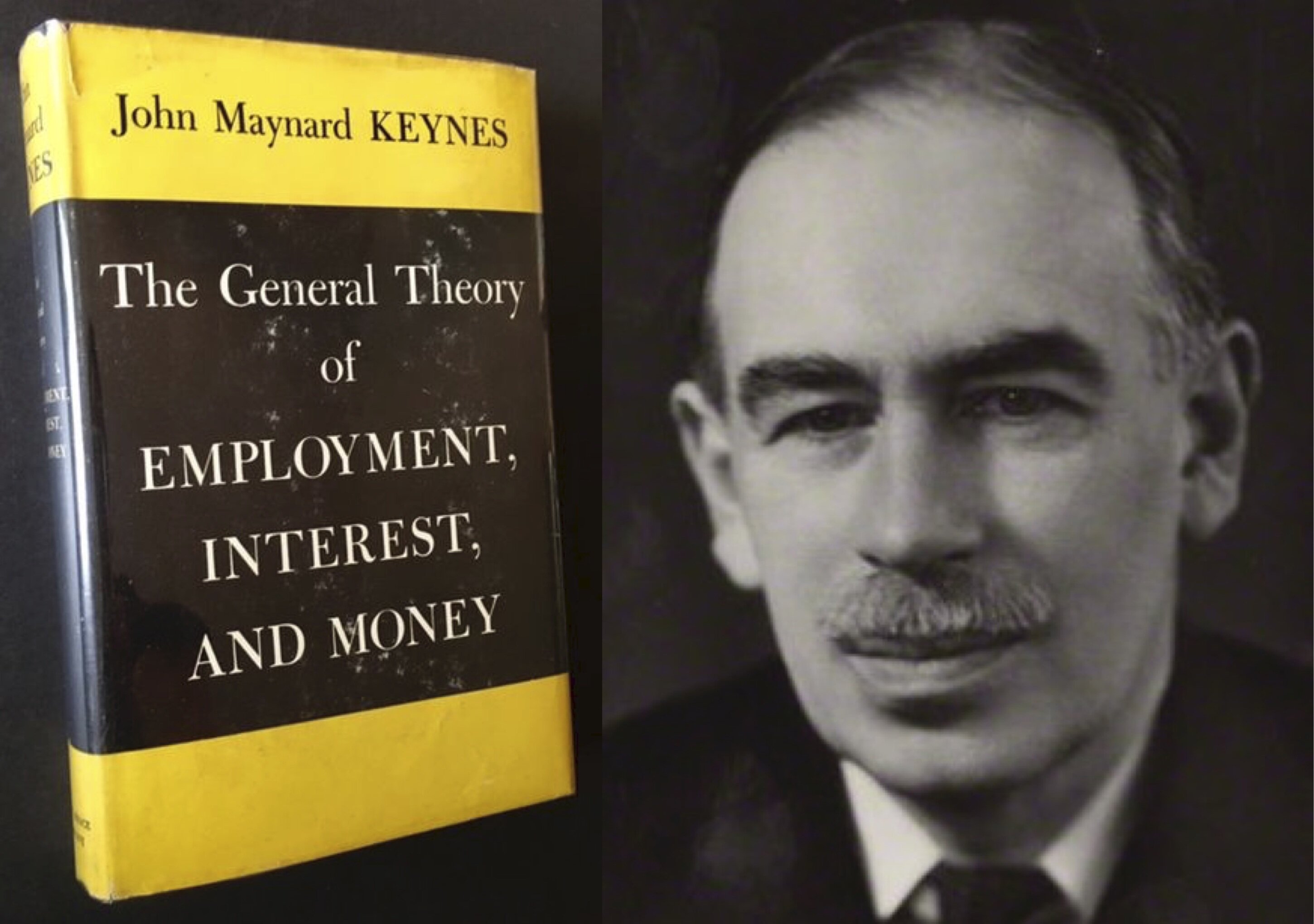
EUR/ITA - Il 4 febbraio è una data speciale per i cultori della teoria economica. E lo è a partire dal quel 1936, anno in cui ricade il giorno della pubblicazione della General Theory of Employment, Interest and Money di John Maynard Keynes. La cadenza decennale di questo giorno di febbraio rimanda infatti a quella che è la pubblicazione della più diffusa e studiata del grande economista inglese e quindi, in questo 2026, ricadono precisamente novanta anni dalla prima edizione di Macmillan. (Nella foto in alto)
La storia del pensiero economico e i biografi di Keynes, ci vengono in soccorso nel ricordarci che il grande cantabrigense, come spesso è definito, diede alle stampe la General Theory dopo molteplici bozze discusse animatamente con amici e colleghi. Secondo lo stesso autore questa sua opera «will largely revolutionize the way the world thinks about economic problems». Il libro divise subito gli economisti tra chi la considerò un’opera rivoluzionaria, chi la giudicò un ritorno alle idee mercantiliste, e chi si limitò ad apprezzarne alcuni contenuti con molti distinguo. Ma si tratta in ogni caso di un successo senza precedenti che nel giro di qualche anno farà di Keynes, scomparso nel 1946, un vero e proprio caposcuola ovvero di una visione dell'economia dalla quale si sono diramate in poco meno di un secolo intere scuole, impegnate a contendersene la prestigiosa eredità sulla quale costruire politiche economiche di interi sistemi sociali e che ne hanno moltiplicato fama ed effetti sulla storia sociale degli ultimi novanta anni.
Antonio De Chiara @euroeconomie.it*
* This contribution is not a journalistic article but an analytical brief - Questo contributo non è un articolo giornalistico ma un brief analitico