instagram
twitter
linkedin
whatsapp
X

Newsletter

euroeconomie (10)

Stay updated on all the news from euroeconomie.it

euroeconomie2
[19/07/2026 01:27] The Post-Thatcherite Turn: Andy Burnham Becomes Britain’s Eighth Labour Prime Minister[16/07/2026 14:56] Eurogroup: Fiscal Governance and the Imperative of Biennial Programming[11/07/2026 10:44] Reconfiguring Europe: The Florence Report by Buti, Corsetti & Peychev[10/07/2026 22:00] The digital euro takes a step forward[02/07/2026 08:00] Sintra 2026: Assessing the Intersection of Innovation and Monetary Stability[01/07/2026 20:37] Dublin’s Economic Agenda: Navigating Sovereignty and Fiscal Pragmatism[29/06/2026 12:05] Mani Visibili 2026: The Human Factor[26/06/2026 15:35] Navigating Historical Cohesion Policy Data: A Guide to the EU Commission’s Open Data Platform[25/06/2026 21:00] Sommet d’Antibes : avancées de la coopération économique entre l’Italie et la France[23/06/2026 20:26] Andy Burnham tipped as frontrunner to succeed Starmer: A look at his economic platform[23/06/2026 20:15] The Digital Euro: A Strategic Pillar for European Monetary Autonomy[23/06/2026 19:14] The Brexit Decade: A Structural Disconnection Revisited[20/06/2026 07:03] EU Budget 2028: Balancing Strategic Centralization with the Social Compact[18/06/2026 09:14] G7: signs of dialogue on economic files and coordination on critical minerals[15/06/2026 16:23] Eu leaders: Securing the European Economy in the US-Iran Post-Agreement Landscape[15/06/2026 14:49] The Economic Dividend: Europe’s Outlook Following the U.S.–Iran Accord[12/06/2026 22:55] Eurozone Finance Ministers Struggle to Balance Austerity and Growth[12/06/2026 07:06] The ECB’s stagflation dilemma: rate hikes in an era of waning growth[03/06/2026 11:21] Nicosia Summit: EESC and Trade Unions Drive Dialogue on the Future of European Labour[31/05/2026 09:34] EU Cohesion Funds: The Tuscany and Emilia-Romagna Excellence Model[30/05/2026 11:41] The Geopolitical Scar: How Eurozone Consumers React to War[24/05/2026 09:26] Building Eurozone Resilience: Ministers Outline the Future of European Public Finance[24/05/2026 08:57] Road to EUPW2026: Florence Connects Italy to Europe[23/05/2026 22:02] The Price of Incompletion: Why Spinelli’s Federalism Matters for the European Economy[17/05/2026 15:59] Sino-American Pragmatism Takes Center Stage in Beijing: The Ripple Effects on EU Economies[08/05/2026 09:00] The Battle for a Socially-Conscious AI at the 2026 Brussels Economic Forum[05/05/2026 09:56] Eurogroup Meeting of May 4th: Implementing the New Fiscal Framework and Investment Priorities[03/05/2026 08:03] Beyond Monetary Dominance: A New Macroeconomic Governance for the Eurozone[01/05/2026 23:54] May 1st, 2026: Dignity at the Heart of Europe, Beyond Algorithms and Profit[30/04/2026 19:27] Monetary Stasis: The ECB’s April 2026 Mandate[25/04/2026 10:39] A Milano le giornate di studi Federico Caffè ispirate al magistero civile del grande economista[25/04/2026 10:24] Social Justice Against the Fascist Dictatorship: Resistance, Sacrifice, and Exile of Italian Economists[24/04/2026 12:24] Democrazia ed economia: la lezione di Federico Caffè e le sfide del futuro[21/04/2026 13:10] The Architect of Modernity: John Maynard Keynes, Eighty Years On[19/04/2026 14:14] Barcelona Summit: Charting a Pragmatic Alternative to Unilateral Protectionism Amidst Global Turmoil
euroeconomie4

Lagarde: the benefits of the euro for Bulgaria

09/11/2025 13:31

Euroeconomie

Euroeconomies, euroeconomie, euroeconomia, eurozona, banca-centrale-europea, christine-lagarde, bulgaria-e-romania-in-schengn, european-central-bank, bulgary, bulgaria-adotta-leuro, bulgary-adopt-euro, lev-vecchia-moneta-della-bulgaria,

Lagarde: the benefits of the euro for Bulgaria

La Presidente della BCE ha partecipato martedi 4 novembre a Sofia alla conferenza di alto livello sull'adozione della moneta unica

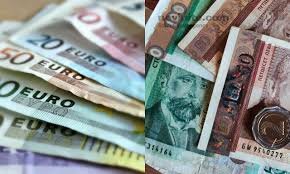
EU/ENG - Christine Lagarde, guest of honor of the Ministry of Finance and the Bulgarian Central Bank, attended the high-level conference "Bulgaria on the Doorstep of the Eurozone" in Sofia on Tuesday, November 4. The President of the European Central Bank (ECB) spoke in a deliberately reassuring and encouraging tone, just weeks before January 1, 2026, when Bulgaria will join the eurozone, becoming the twenty-first country to adopt the euro as its currency. Lagarde focused her speech on the benefits that adopting the world's second-largest currency will bring to Bulgaria, similar to what happened to Eastern European countries that have joined the eurozone. The ECB President noted that the experience with the eurozone has been positive, despite long-standing issues that remain to be resolved.

It must be taken into account, Lagarde said, that the euro area pays for more than half of its imports in its own currency. In the case of Bulgaria, the share is even higher: approximately 83 percent of imports are invoiced in what will soon be its own currency. Bulgaria is joining the euro also thanks to the priority given to adoption by the government led by Prime Minister Rosen Zhelyazkov (GERB). Despite governing since January 2025 with a narrow and diverse majority, this time he has managed to avoid delaying entry into the eurozone, which had already been postponed in the past due to failure to meet inflation targets.


EU/ITA - Christine Lagarde, ha partecipato martedi 4 novembre a Sofia alla conferenza di alto livello 'La Bulgaria alle porte dell'Eurozona', ospite d'onore del Ministero delle Finanze e della Banca centrale bulgara. La presidente della Banca centrale europea ha usato toni volutamente rassicuranti ed incoraggianti a poche settimane dal primo gennaio 2026, data in cui la Bulgaria entrerà a far parte dell'eurozona, adottando, come ventunesimo Paese, l'Euro come moneta corrente. L'8 luglio 2025 il tasso di cambio è stato irrevocabilmente fissato a 1,95583 Lev per 1 euro.

Lagarde ha incentrato la sua relazione sui benefici che porterà alla Bulgaria l‘adozione della seconda valuta più importante del mondo, similarmente a quanto avvenuto per i Paesi dell’Est Europa che hanno aderito all'eurozona, la cui esperienza ha fatto notare, la Presidente della Banca centrale europea è da giudicarsi positiva., al netto di annosi problemi ancora da risolvere.

Va tenuto conto, ha detto Lagarde, che l’area dell’euro paga più della metà delle sue importazioni nella propria valuta”. Nel caso della Bulgaria, la quota è ancora più alta: circa l’83 per cento delle importazioni viene fatturato in quella che presto sarà la propria valuta. La Bulgaria entra nell'Euro anche grazie alla priorità che ha dato all'adozione il governo guidato dal Primo Ministro Rosen Željazkov (GERB), che, pur governando, dal gennaio 2025, con una maggioranza composita e risicata, è stavolta riuscito a non far ritardare l'ingresso nell'eurozona già rimandato in passato a causa del mancato rispetto degli obiettivi di inflazione.


analisti associati @euroeconomie.it *


* This contribution is not a journalistic article but an analytical brief - Questo contributo non è un articolo giornalistico ma un brief analitico


facebook
instagram
twitter
linkedin
whatsapp
X

@2021-2023 EUROECONOMIES

WEBSITE CREATED BY Q DIGITALY

Create Website with flazio.com | Free and Easy Website Builder