.png "euroeconomie (10)")


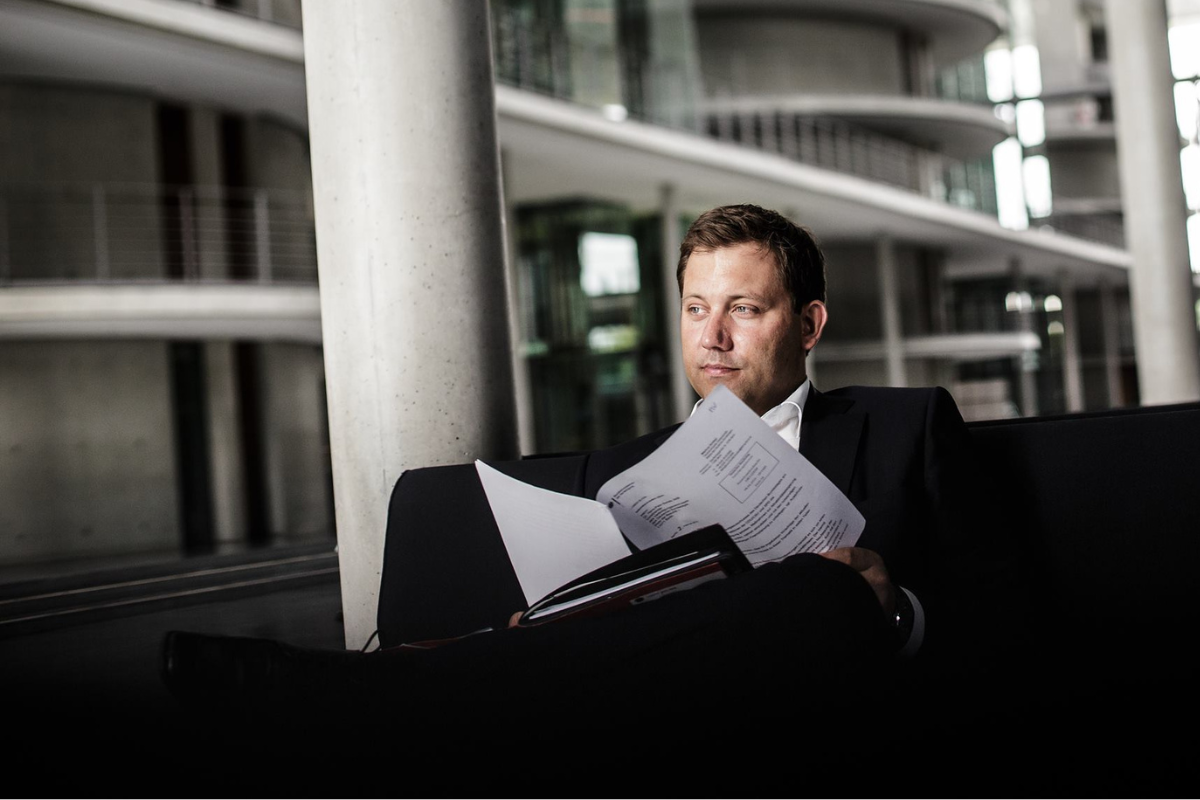
EU/ENG - The start of the second week of January 2026 begins with German Finance Minister Klingbeil visiting Washington, at the invitation of U.S. Treasury Secretary Bessent. Klingbeil landed in the Icelandic capital, Reykjavik, before continuing on to Washington to meet Bessent and attend a G7 meeting with representatives of other industrialized countries, including Mexico and South Korea. Klingbeil's visit also includes discussions on rare earths. The supply of rare earths has long been a global dispute, and the Arctic region is also included in this context, primarily the vast Greenland, which has, after China, the largest known rare earth deposits, estimated at 40 million tons. Before leaving, Klingbeil reiterated his commitment to supporting Greenland's territorial inviolability, despite serving as vice chancellor of a government that has maintained a low profile in its relations with the United States on the issue of international supplies of critical raw materials, provided this does not occur through unilateral initiatives, such as a possible annexation of Greenland.
At the same time, German Foreign Minister Wadephul is also meeting with US Secretary of State Marco Rubio in Washington to discuss key international issues, including Russia, Venezuela, and Iran. According to several sources, Tehran itself is threatening attacks against US and Israeli military bases.
On the sidelines of the meeting between Wadephul and Rubio, it is likely that the two heads of state will also discuss Greenland. Trump has been reiterating for months his desire to secure US control of the Arctic island. At the same time, accredited media outlets are reporting that Germany is considering a NATO mission in the Arctic. On the eve of the talks, Wadephul emphasized: "Our responsibility is for security in the North Atlantic, which not only gives NATO its name but is also of crucial strategic importance for our common security." For the Foreign Minister, the idea of abandoning Greenland is out of the question.
On his flight to Washington, Wadephul significantly underscored Germany's focus on the Arctic region with a brief visit to Iceland, about 300 kilometers from Greenland. After meeting with Rubio, Wadephul will continue to New York, where he is expected to meet with UN Secretary-General Guterres.
EU/ITA - L'inizio delle seconda settimana di genneaio del 2026, si apre con Il ministro delle Finanze tedesco Klingbeil in visita a Washington, su invito del segretario al Tesoro statunitense Bessent. Klingbeil è voluto atterrato nella capitale islandese Reykjavík per poi proseguire verso Washington, vedere Bessent e partecipare ad una riunione del G7 con altri rappresentanti di altri Paesi industrializzati, tra cui Messico e Corea del Sud. Nell’agenda della visita previsti per Kingbell anche colloqui sul dossier terre rare. Sull’approvvigionamento delle terre rare si è da tempo aperta una disputa globale e anche l’area artica rientra in questo contesto, in primis l’enorme Groenlandia che dispone, dopo la Cina, dei più grandi giacimenti conosciuti di terre rare, stimati sui 40 milioni di tonnellate. Klingbeil ha ribadito prima della partenza di voler sostenere la tesi dell’inviolabilità territoriale della Groenlandia, pur essendo vice cancelliere di un governo che ha tenuto un profilo basso nel suo rapporto con gli Stati Uniti sul dossier dell’approvvigionamento internazionale di materie prime critiche, a condizione che ciò non avvenga attraverso iniziative unilaterali, come un’eventuale annessione della Groenlandia.
Contemporaneamente, anche Il ministro degli esteri tedesco Wadephul ha un incontro a Washington con il segretario di Stato americano Marco Rubio per discutere dei principali dossier internazionali, tra cui Russia, Venezuela e Iran. Proprio Teheran, secondo diverse fonti, starebbe minacciando attacchi contro basi militari statunitensi e israeliane.
A margine dell’incontro tra Wadephul e Rubio, è probabile che i due capi delle rispettive diplomazie parleranno anche di Groenlandia. Trump ribadisce infatti da mesi di voler assicurare agli Stati Uniti il controllo dell’isola artica. In parallelo, accreditati organi di stampa riportano che la Germania starebbe valutando la proposta di una missione Nato nell’Artico. Alla vigilia dei colloqui, Wadephul ha sottolineato: “La nostra responsabilità riguarda la sicurezza nell’Atlantico settentrionale, che non solo dà il nome alla Nato, ma riveste anche un’importanza strategica cruciale per la nostra sicurezza comune”. Per il ministro degli Esteri, l’idea di rinunciare alla Groenlandia è fuori discussione.
Nel suo percorso di volo verso Washington, Wadephul ha significativamente sottolineato l’attenzione della Germania per l’area artica facendo un breve visita in Islanda, a circa 300 chilometri dalla Groenlandia. Dopo l’incontro con Rubio, Wadephul proseguirà per New York, dove è atteso per colloqui dal segretario generale delle Nazioni Unite Guterres.
analisti associati @euroeconomie.it*
* This contribution is not a journalistic article but an analytical brief - Questo contributo non è un articolo giornalistico ma un brief analitico