.png "euroeconomie (10)")



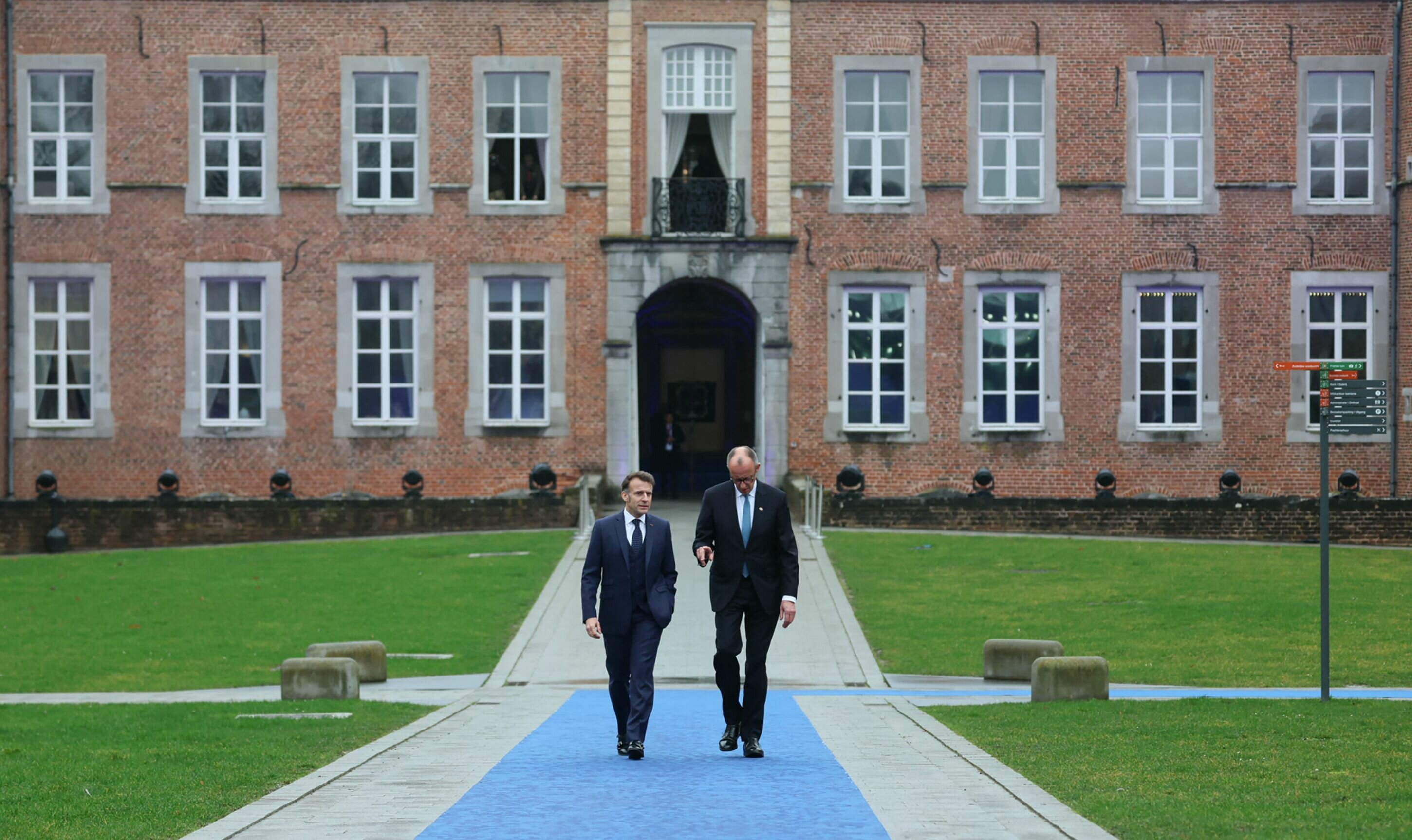
EU/ENG - In the euro area, inflation slowed to 2% in December from 2.1% in November, according to Eurostat's (in the cover photo, Director General Marian Kotzeva) preliminary reading of January 7, 2026, adding that core inflation stood at 2.3%.
Looking at the main components of the consumer price index, inflation for services is estimated at 3.4% annually (3.5% in November), with food, alcohol, and tobacco at 2.6% (from 2.4%), industrial goods inflation slowed to 0.4% (from 0.5%), and energy inflation fell to -1.9% (from -0.5% the previous month). According to some analysts, inflation could fall below the European Central Bank's target in the coming months, making further rate cuts possible.
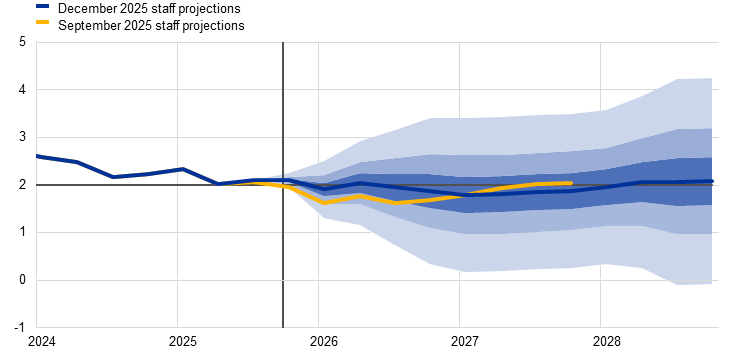
In its projections, published in December (see the chart at the end of the analysis), the ECB predicted inflation will be 1.9% in 2026 and 1.8% in 2027, before returning to the 2% target in 2028 (also thanks to the boost provided by the new ETS2 rules). Christine Lagarde is not particularly concerned about the risk of inflation falling below target (core inflation is expected to remain above 2%), although this possibility has been highlighted by French Governor François Villerou de Galhau, opposing German member of the Executive Board of the ECB Isabel Schnabel, who fears upside risks to the cost of living, linked to a fragmentation of production chains and Germany's spending plan.
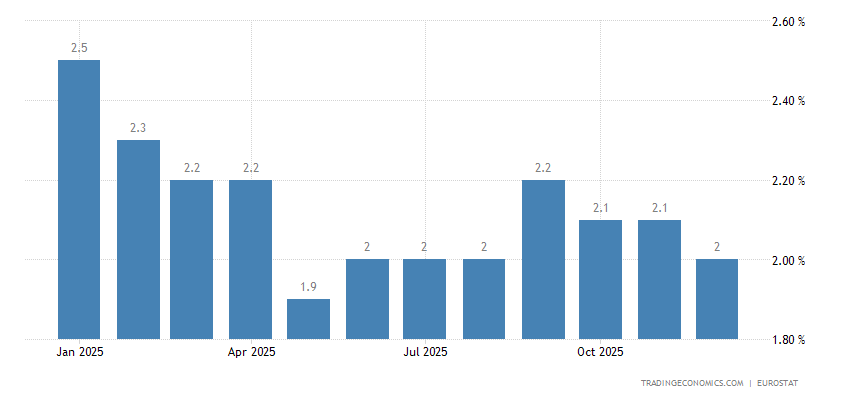
EU/ITA - Nell'area euro a dicembre, l'inflazione è rallentata al 2% dal 2,1% di novembre. E' quanto indica Eurostat (in copertina la foto della direttrice generale Mariana Kotzeva) nella lettura preliminare del 7 gennaio 2026, aggiungendo che l'inflazione core si è attestata al 2,3%.
Guardando alle principali componenti dell'indice dei prezzi al consumo, l'inflazione per i servizi è stimata al 3,4% annuo (3,5% a novembre), con alimentari, alcol e tabacco al 2,6% (dal 2,4%), per i beni industriali l'inflazione è rallentata allo 0,4% (dallo 0,5%), mentre per l'energia si registra un -1,9% (da -0,5% del mese precedente). Secondo alcuni analisti l’inflazione potrebbe scendere nei prossimi mesi sotto l’obiettivo Banca centrale europea, rendendo possibili nuovi tagli dei tassi
Nelle sue proiezioni, pubblicate a dicembre (si veda il grafico in basso), la Bce ha previsto che l’inflazione sarà all’1,9% nel 2026 e all’1,8% nel 2027, prima di tornare all’obiettivo del 2% nel 2028 (anche grazie alla spinta delle regole del nuovo Ets2).
Christine Lagarde non è preoccupata in modo particolare del rischio di inflazione sotto il target (quella core dovrebbe restare sopra il 2%), anche se questa possibilità è stata evidenziata dal governatore francese François Villeroy de Galhau opposto alla tedesca Schnabel che teme rischi al rialzo sul carovita, legati a una frammentazione delle catene produttive e al piano di spesa della Germania.
analisti associati @euroeconomie.it*
* This contribution is not a journalistic article but an analytical brief - Questo contributo non è un articolo giornalistico ma un brief analitico