.png "euroeconomie (10)")


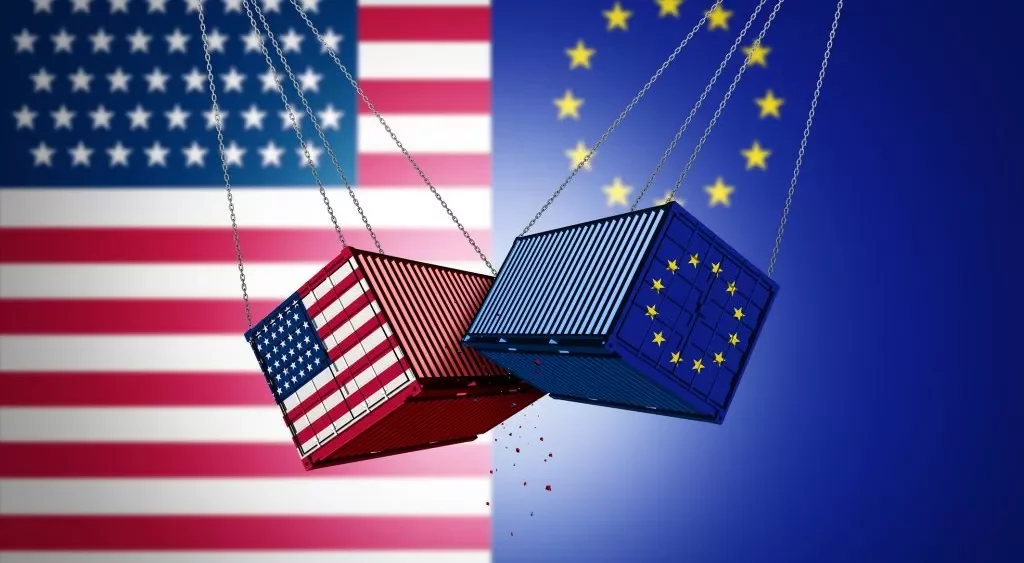
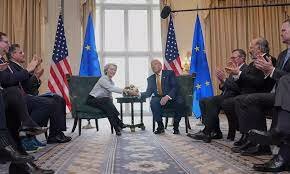
EU/ENG - Major manufacturers, entire supply chains, and trade unions across the European Union are demonstrating, with representatives in member states and Brussels expressing deep concern following the agreement signed on Sunday, July 27, by von der Leyen and Donald Trump regarding a 15% tariff on approximately 70% of European goods exported to the United States.
Following the tariff agreement, negotiations continue on the remaining negotiating chapters.
Meanwhile, the Trump administration has postponed the implementation of the measure until August 7. Following this willingness, European Trade Commissioner Sefkovic explained in a blog post that the sherpas continue to negotiate to secure more favorable conditions or exemptions for the remaining 30% of goods. Brussels' goal is a joint statement clarifying the significant details missing from the document signed in late July in Scotland by Trump and von der Leyen.
Institutional Reactions in EU Member States
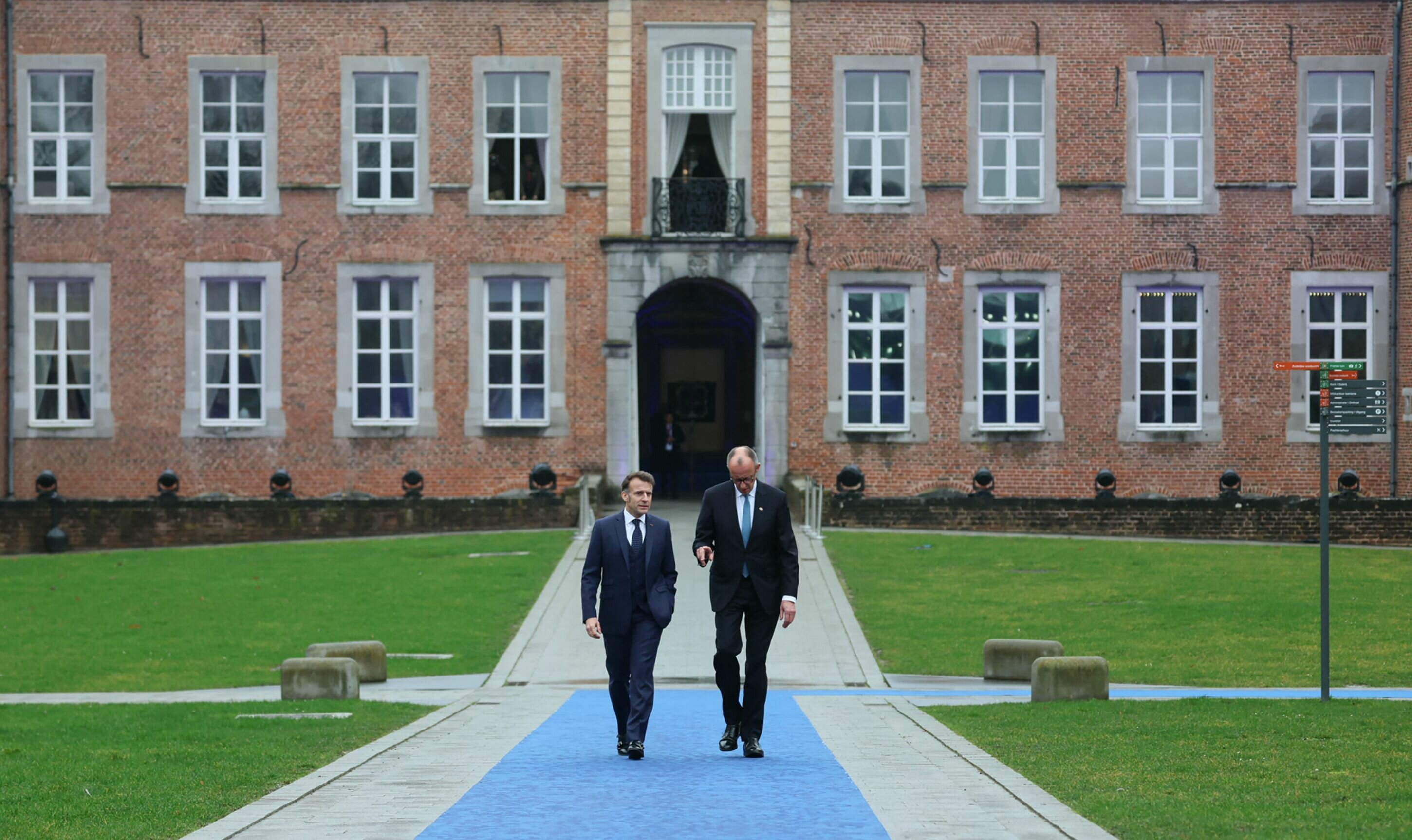
From Paris, both President Macron and Prime Minister Bayrou immediately criticized the agreement and von der Leyen's stance, which they deemed too soft on the White House. After an initial positive approach, Chancellor Merz expressed discontent from Berlin. The Italian government has chosen to keep a low profile, refraining from attacking either the Trump administration or the Commission, despite the hostile remarks of political forces in the government that oppose von der Leyen in the European Parliament.
Economic Scenarios
European experts and media have produced numerous, often divergent, scenario analyses investigating the EU economy's ability to adapt to a prolonged trade war. The hope is that political Europe will be more cohesive and converge as soon as possible on a fiscal union capable of providing standing for those who negotiate for the European Union worldwide. However, these are prospects that still require a long time to be realized; instead, an economic situation looms that will reflect the impact of the tariffs imposed by Trump this August.
ITA - Grandi produttori, intere filiere commerciali e forze sindacali dell'Unione europea stanno manifestando attraversano i loro rappresentanti nei Paesi membri e a Bruxelles viva preoccupazione a seguito dell'accordo firmato domenica 27 luglio da Von der Leyen e Donald Trump sui dazi al 15 % su circa il 70% per cento delle merci europee esportate negli Stati Uniti.
Dopo l'accordo sui dazi, le trattative continuano sui restanti capitoli negoziali
L'amministrazione Trump ha intanto rimandato al 7 agosto l'applicazione del provvedimento. Sulla scorta di questa disponibilità il commissario europeo al commercio Sefkovic in un post ha spiegato che gli sherpa continuano a trattare per strappare condizioni più favorevoli o esenzioni per il restante 30% delle merci. L'obiettivo di Bruxelles è una dichiarazione congiunta che chiarisca i dettagli, non di poco conto, mancanti nel documento firmato in Scozia da Trump e Von der Leyen.
Le reazioni istituzionali nei Paesi membri
Da Parigi sia il presidente Macron che il primo ministro Bayrou hanno subito mosso rilievi critici all'accordo e alla postura della Von der Leyen ritenuta troppo morbida con la Casa Bianca.
Dopo un primo approccio positivo, da Berlino sono giunte dichiarazioni di scontento del cancelliere Merz. Il governo italiano ha scelto un basso profilo, senza attaccare frontalmente sia l'amministrazione Trump che la Commissione, nonostante i distinguo ostili di forze politiche al governo che sono contro la Von der Leyen in Parlamento europeo.
Gli scenari economici
Sono numerose e spesso divergenti le analisi di scenario dei esperti e media europei che indagano la capacità di adattamento dell'economie dell'Unione ad una prolungata fase di guerra commerciale. L'auspicio è che l'Europa politica sia più coesa e converga il prima possibile ad una Unione fiscale in grado di dare standing a chi negozia nel mondo per l'Unione europea. Si tratta però di prospettive che richiedono ancora molto tempo, incombe invece una congiuntura economica che rifletterà l'impatto dei dazi imposti da Trump da questo agosto.
analisti associati @euroeconomie.it*
* This contribution is not a journalistic article but an analytical brief - Questo contributo non è un articolo giornalistico ma un brief analitico