.png "euroeconomie (10)")


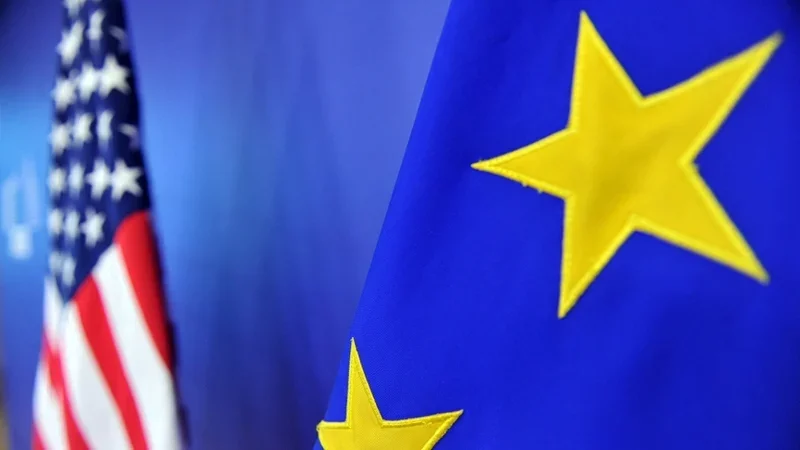
EU/ENG - Uncertainty reigns supreme over the tariffs between the EU and the US, while negotiators continue to work, sheltered from the media spotlight, towards potential agreements. Tensions in the Twenty-seven are palpable over how to direct the negotiations. For days, Macron, speaking in Paris, has argued that he should not endure excessively punitive trade policies that the European Union, as a US ally, does not deserve. German Finance Minister Lars Klingbeil has stated his interest in fair agreements and in having countermeasures ready in the unfortunate event of a failure to reach an agreement between Brussels and Washington. The most reliable forecasts suggest a compromise of around 10% is possible. The issue remains regarding the strategic sectors for which the EU would like to obtain significant exemptions. The current pact would not eliminate existing tariffs on steel, aluminum, and automotive.
Brussels is also looking at global compensatory agreements with other countries.
EU Trade Secretary Lutnick announced that the European Union has prepared "real offers" to the United States. Sectoral clauses and sectoral legal details will be negotiated in a coordinated manner between Brussels and the capitals of the 27 member states. Countermeasures in the event of a no-deal scenario involving US-branded products would amount to as much as €120 billion. According to Commissioner Šefčovič, the European Union could "offset up to three-quarters of US-related losses" with trade rebalancing agreements with China and India, but also with countries such as Australia, Thailand, Indonesia, and the United Arab Emirates. This rebalancing would not benefit South America, namely Mexico and Mercosur countries such as Argentina, Brazil, Paraguay, and Uruguay.
ITA - Sul tema dazi tra Ue ed Usa, regna sovrana l'incertezza mentre i negoziatori continuano a lavorare, al riparo dai riflettori accesi dei media, ad eventuali accordi.
Le tensioni nei Ventisette sono palpabili su come orientare le trattative. Da giorni Macron da Parigi sostiene di non dover subire politiche commerciali eccessivamente punitive che l'Unione europea, come alleato Usa, non merita. Il ministro delle finanze tedesco, Lars Klingbeil, ha dichiarato di essere interessato ad intese eque e a tenere pronte eventuali contromisure nel malugurato caso di mancata intesa tra Bruxelles e Washington.
Le previsioni più accreditate ritengono possibile un compromesso che potrebbe attestarsi attorno al 10%. Resterebbe il problema legato ai settori strategici su cui l’Unione vorrebbe ottenere esenzioni significative. Il patto in vigore non cancellerebbe infatti le tariffe già in vigore su acciaio, alluminio e automotive.
Bruxelles punta anche ad accordi compensativi con altri Paesi a livello globale
Il segretario al Commercio dell’UE Lutnick, ha comunicato che l’Unione europea ha preparato “vere offerte” agli Stati Uniti. Le clausole di settore e i dettagli legali settoriali da negoziare in modo coordinato tra Bruxelles e le capitali dei 27 Paesi membri. Ammonterebbero a ben 120 miliardi di euro le contromisure in caso di no deal sui prodotti emblema degli Usa.
Secondo il commissario Šefčovič l'Unione europea potrebbe “compensare fino a tre quarti delle perdite legate agli USA” con accordi di riequilibrio commerciale con Cina ed India, ma anche con paesi come Australia, Thailandia, Indonesia, Emirati Arabi. Il riequilibrio non rispermierebbe il Sud america ovvero verso il Messico e i Paesi del Mercosur come Argentina, Brasile, Paraguay, Uruguay.
analisti associati @euroeconomie.it *
* This contribution is not a journalistic article but an analytical brief - Questo contributo non è un articolo giornalistico ma un brief analitico