instagram
twitter
linkedin
whatsapp
X

Newsletter

euroeconomie (10)

Stay updated on all the news from euroeconomie.it

euroeconomie2
[11/08/2026 22:26] Canicule au travail : syndacats en alerte face à l'urgence climatique en France[11/08/2026 11:39] Protecting German Workers Against Extreme Heat: The Union Push[11/08/2026 10:26] Reclaiming Europe’s Social Pillar: Quality Jobs, AI Governance, and the End of Soft Law[11/08/2026 09:04] Extreme Heat, Frontline Workers, and Trade Union Action: Defending Labor in a Warming Europe[06/08/2026 05:05] EU Tech Rules: AI Act Implementation in the EU Economy[04/08/2026 11:20] Euro Area July Inflation Ticks Up to 2.9%[23/07/2026 17:38] ECB Maintains Policy Stance Post-June Raise Amid Energy Market Volatility[23/07/2026 15:58] UK Treasury: John Healey Takes the Helm in Burnham’s New Labour Era[23/07/2026 15:31] Eurozone Inflation Moderates to 2.8%, but Price Pressures Across Member States Remain Divergent[19/07/2026 01:27] The Post-Thatcherite Turn: Andy Burnham Becomes Britain’s Eighth Labour Prime Minister[16/07/2026 14:56] Eurogroup: Fiscal Governance and the Imperative of Biennial Programming[11/07/2026 10:44] Reconfiguring Europe: The Florence Report by Buti, Corsetti & Peychev[10/07/2026 22:00] The digital euro takes a step forward[02/07/2026 08:00] Sintra 2026: Assessing the Intersection of Innovation and Monetary Stability[01/07/2026 20:37] Dublin’s Economic Agenda: Navigating Sovereignty and Fiscal Pragmatism[29/06/2026 12:05] Mani Visibili 2026: The Human Factor[26/06/2026 15:35] Navigating Historical Cohesion Policy Data: A Guide to the EU Commission’s Open Data Platform[25/06/2026 21:00] Sommet d’Antibes : avancées de la coopération économique entre l’Italie et la France[23/06/2026 20:26] Andy Burnham tipped as frontrunner to succeed Starmer: A look at his economic platform[23/06/2026 20:15] The Digital Euro: A Strategic Pillar for European Monetary Autonomy[23/06/2026 19:14] The Brexit Decade: A Structural Disconnection Revisited[20/06/2026 07:03] EU Budget 2028: Balancing Strategic Centralization with the Social Compact[18/06/2026 09:14] G7: signs of dialogue on economic files and coordination on critical minerals[15/06/2026 16:23] Eu leaders: Securing the European Economy in the US-Iran Post-Agreement Landscape[15/06/2026 14:49] The Economic Dividend: Europe’s Outlook Following the U.S.–Iran Accord[12/06/2026 22:55] Eurozone Finance Ministers Struggle to Balance Austerity and Growth[12/06/2026 07:06] The ECB’s stagflation dilemma: rate hikes in an era of waning growth[03/06/2026 11:21] Nicosia Summit: EESC and Trade Unions Drive Dialogue on the Future of European Labour[31/05/2026 09:34] EU Cohesion Funds: The Tuscany and Emilia-Romagna Excellence Model[30/05/2026 11:41] The Geopolitical Scar: How Eurozone Consumers React to War[24/05/2026 09:26] Building Eurozone Resilience: Ministers Outline the Future of European Public Finance[24/05/2026 08:57] Road to EUPW2026: Florence Connects Italy to Europe[23/05/2026 22:02] The Price of Incompletion: Why Spinelli’s Federalism Matters for the European Economy[17/05/2026 15:59] Sino-American Pragmatism Takes Center Stage in Beijing: The Ripple Effects on EU Economies[08/05/2026 09:00] The Battle for a Socially-Conscious AI at the 2026 Brussels Economic Forum
euroeconomie4

German Minister Klingbell: Public budget provides strong impetus to investment

25/09/2025 13:52

Euroeconomie

Euroeconomies, Macros/Scenarios, cdu-csu, merz, der-bundestag-hat-mitte-september-den-ersten-jahreshaushalt-der-merz-regierung-verabschiedet, il-ministro-delle-finanze-lars-klingbeil, lars-klingbeil-leader-della-spd, governo-merz, bilancio-della-germania, bundestag,

German Minister Klingbell: Public budget provides strong impetus to investment

Der Bundestag hat Mitte September den ersten Jahreshaushalt der Merz-Regierung verabschiedet - il leader SPD parla di cambio di paradigma nella politica fiscale

EU/ENG - In mid-September, the German Parliament approved Germany's first annual budget since the adoption, in early 2025, of reforms easing fiscal rules. The government is ramping up its efforts with new and significant public investments. Defense spending is growing significantly.

The total investments planned for the 2025 budget amount to a staggering €116 billion, made possible by a €500 billion infrastructure fund and an exemption from debt rules for defense spending approved in March, estimated at €62 billion, €10 billion more than last year. Added to this is €24 billion from the special fund for the Bundeswehr.

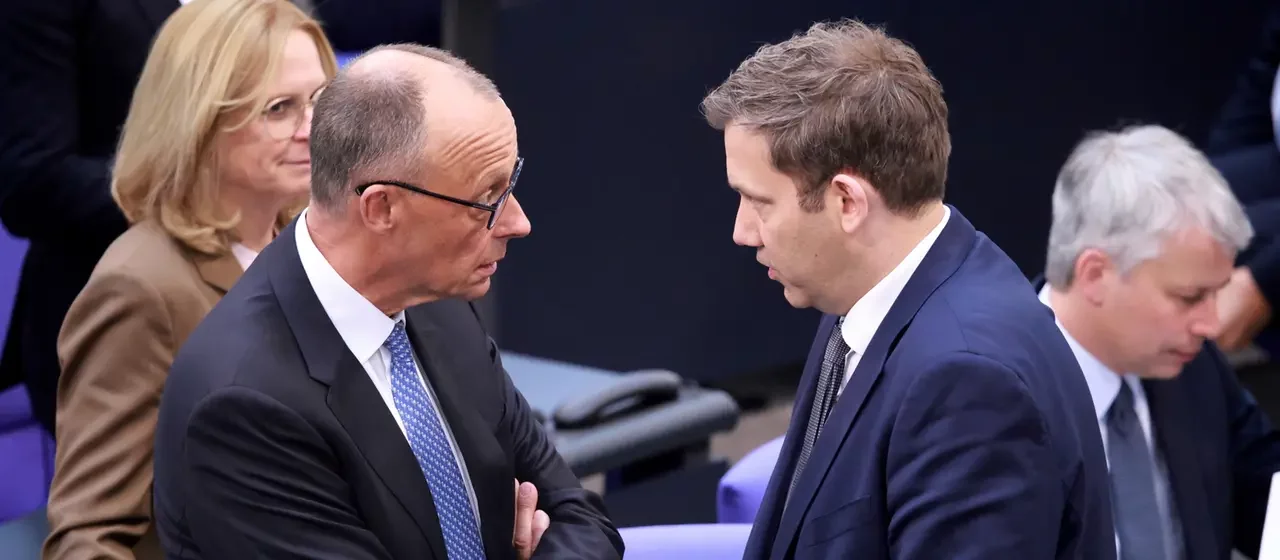
Finance Minister Lars Klingbeil called the budget "a huge paradigm shift in German fiscal policy," speaking to parliamentarians before the Bundestag vote.


EU/GER - Der Deutsche Bundestag verabschiedete Deutschlands ersten Jahreshaushalt seit der Verabschiedung der Reformen zur Lockerung der Haushaltsregeln Anfang 2025. Die Regierungsarbeit ist nun in vollem Gange und führt zu neuen und bedeutenden öffentlichen Investitionen. Die Verteidigungsausgaben steigen deutlich.

Die für den Haushalt 2025 geplanten Gesamtinvestitionen belaufen sich auf 116 Milliarden Euro. Ermöglicht werden diese durch einen 500 Milliarden Euro schweren Infrastrukturfonds und eine im März beschlossene Ausnahme von den Schuldenregeln für Verteidigungsausgaben, die auf 62 Milliarden Euro geschätzt wird – 10 Milliarden mehr als im Vorjahr. Hinzu kommen 24 Milliarden Euro aus dem Sondervermögen für die Bundeswehr.


ITA - Il Parlamento tedesco ha approvato a metà settembre il primo bilancio annuale della Germania dall'adozione, a inizio del 2025, delle riforme per allentare le regole fiscali. Entra nel vivo l'azione di governo con i nuovi ed ingenti investimenti pubblici. Cresce molto il capitolo di spesa della difesa.

Ammontano a ben 116 i miliardi di euro gli investimenti totali previsti dal bilancio 2025, resi possibili da un fondo per le infrastrutture da 500 miliardi di euro e da un'esenzione dalle regole sul debito per le spese in difesa approvate a marzo e stimate sui 62 miliardi, dieci miliardi in più rispetto allo scorso anno. A questi si aggiungono 24 miliardi che arrivano dal fondo speciale per la Bundeswehr. 

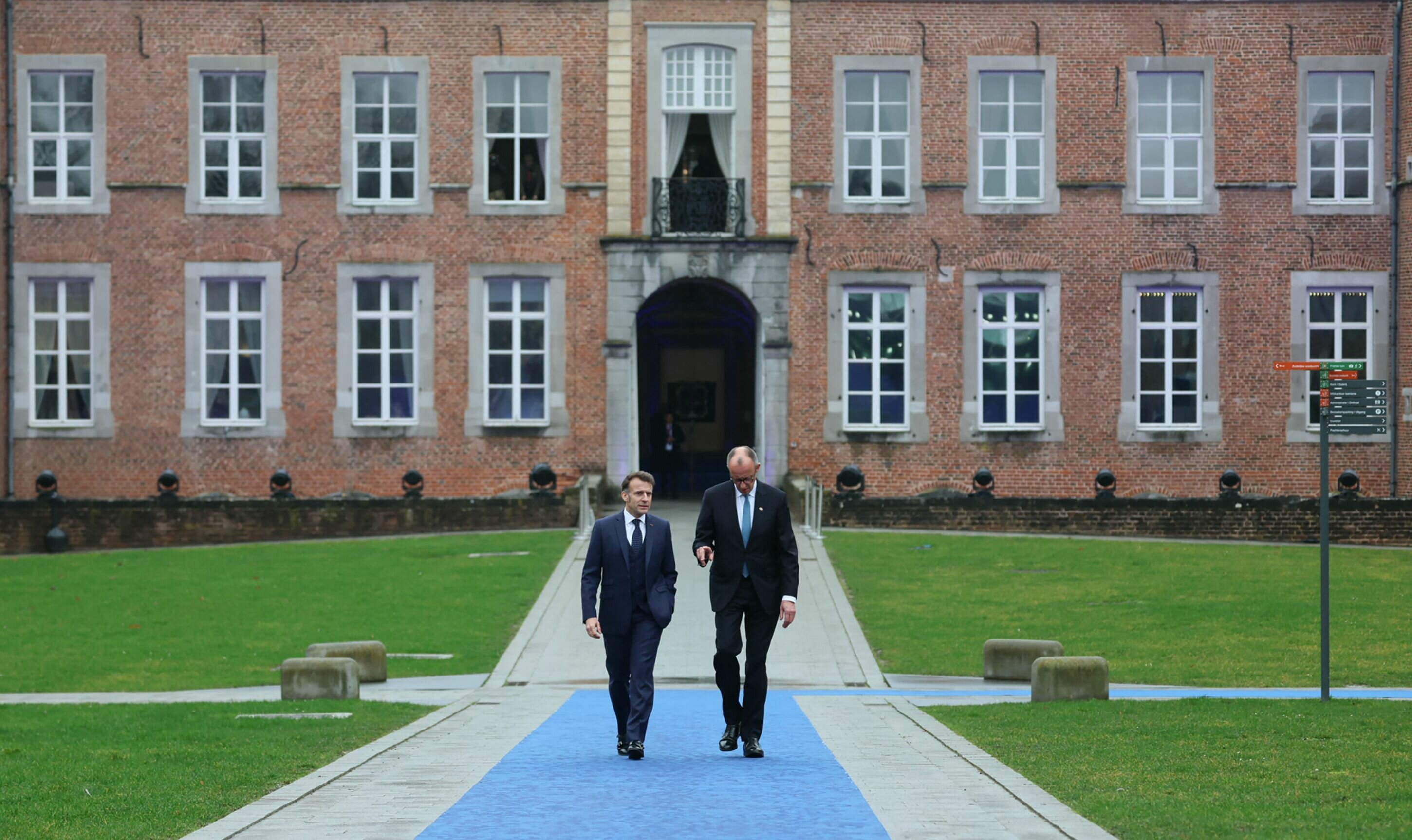
Il ministro delle Finanze, Lars Klingbeil, ha definito il bilancio "un enorme cambio di paradigma nella politica fiscale tedesca", parlando ai deputati prima del voto al Bundestag. Klingbeil guidando la SPD dopo le elezioni federali del febbraio del 2025, ha assunto una postura più rassicurante sul fronte economico in alternativa ad alcuni annunci di marca rigorista del Cancelliere Merz, giunto al Governo senza i tradizionali rigorismi sulle regole del debito propri della tradizione della sua area politica.

I partiti al governo auspicano il dispiegarsi di una stagione propulsiva in grado di chiudere la fase d'incertezza iniziata esattamente un anno fa con la crisi del governo Scholz travolto dai disaccordi della coalizione proprio sul bilancio e dalla defezione dei Liberali della FDP, formazione clamorosamente punita dagli elettori alle ultime politiche e senza seggi al Bundestag. 


Analisti associati @euroeconomie.it  *


* This contribution is not a journalistic article but an analytical brief - Questo contributo non è un articolo giornalistico ma un brief analitico


facebook
instagram
twitter
linkedin
whatsapp
X

@2021-2023 EUROECONOMIES

WEBSITE CREATED BY Q DIGITALY

Create Website with flazio.com | Free and Easy Website Builder