.png "euroeconomie (10)")


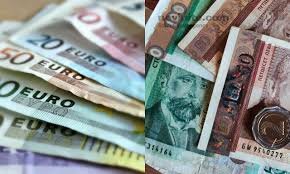
EU/ENG - Christine Lagarde, guest of honor of the Ministry of Finance and the Bulgarian Central Bank, attended the high-level conference "Bulgaria on the Doorstep of the Eurozone" in Sofia on Tuesday, November 4. The President of the European Central Bank (ECB) spoke in a deliberately reassuring and encouraging tone, just weeks before January 1, 2026, when Bulgaria will join the eurozone, becoming the twenty-first country to adopt the euro as its currency. Lagarde focused her speech on the benefits that adopting the world's second-largest currency will bring to Bulgaria, similar to what happened to Eastern European countries that have joined the eurozone. The ECB President noted that the experience with the eurozone has been positive, despite long-standing issues that remain to be resolved.
It must be taken into account, Lagarde said, that the euro area pays for more than half of its imports in its own currency. In the case of Bulgaria, the share is even higher: approximately 83 percent of imports are invoiced in what will soon be its own currency. Bulgaria is joining the euro also thanks to the priority given to adoption by the government led by Prime Minister Rosen Zhelyazkov (GERB). Despite governing since January 2025 with a narrow and diverse majority, this time he has managed to avoid delaying entry into the eurozone, which had already been postponed in the past due to failure to meet inflation targets.
EU/ITA - Christine Lagarde, ha partecipato martedi 4 novembre a Sofia alla conferenza di alto livello 'La Bulgaria alle porte dell'Eurozona', ospite d'onore del Ministero delle Finanze e della Banca centrale bulgara. La presidente della Banca centrale europea ha usato toni volutamente rassicuranti ed incoraggianti a poche settimane dal primo gennaio 2026, data in cui la Bulgaria entrerà a far parte dell'eurozona, adottando, come ventunesimo Paese, l'Euro come moneta corrente. L'8 luglio 2025 il tasso di cambio è stato irrevocabilmente fissato a 1,95583 Lev per 1 euro.
Lagarde ha incentrato la sua relazione sui benefici che porterà alla Bulgaria l‘adozione della seconda valuta più importante del mondo, similarmente a quanto avvenuto per i Paesi dell’Est Europa che hanno aderito all'eurozona, la cui esperienza ha fatto notare, la Presidente della Banca centrale europea è da giudicarsi positiva., al netto di annosi problemi ancora da risolvere.
Va tenuto conto, ha detto Lagarde, che l’area dell’euro paga più della metà delle sue importazioni nella propria valuta”. Nel caso della Bulgaria, la quota è ancora più alta: circa l’83 per cento delle importazioni viene fatturato in quella che presto sarà la propria valuta. La Bulgaria entra nell'Euro anche grazie alla priorità che ha dato all'adozione il governo guidato dal Primo Ministro Rosen Željazkov (GERB), che, pur governando, dal gennaio 2025, con una maggioranza composita e risicata, è stavolta riuscito a non far ritardare l'ingresso nell'eurozona già rimandato in passato a causa del mancato rispetto degli obiettivi di inflazione.
analisti associati @euroeconomie.it *
* This contribution is not a journalistic article but an analytical brief - Questo contributo non è un articolo giornalistico ma un brief analitico